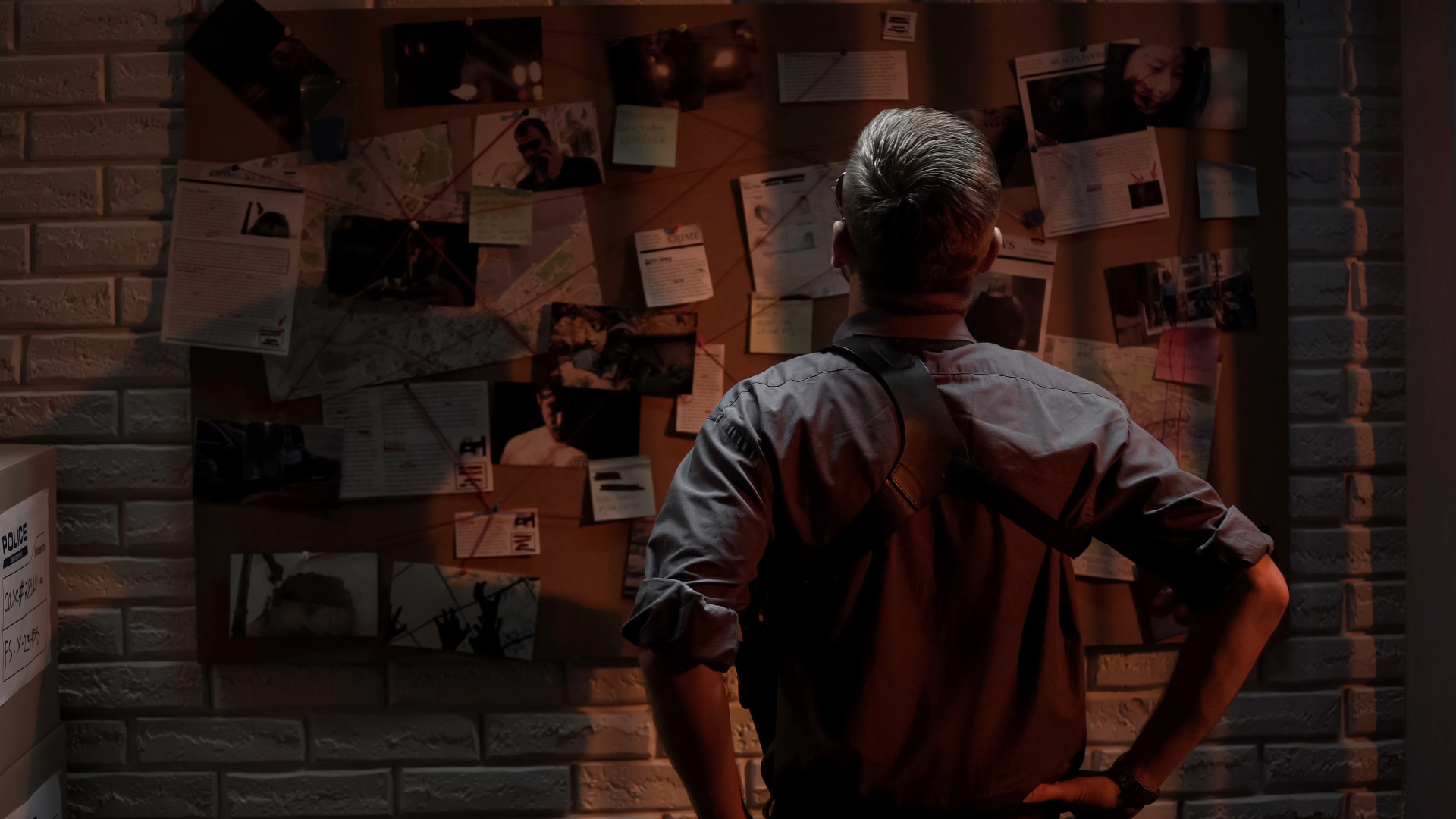
A great plot twist is the holy grail of suspense writing. It is the moment where the rug is pulled out from beneath the reader, changing everything they thought they understood about the story. However, pulling off an unforgettable reveal requires precision, patience, and meticulous structure. A cheap twist relies on shock value alone, but a masterclass reveal reshapes the entire narrative in hindsight.
The Rule of Double-Meaning (Fair Play)
The golden rule of a successful crime thriller twist is fairness. A reader should never feel cheated by hidden information that was impossible to predict. Instead, every clue necessary to solve the mystery should be present on the page—disguised in plain sight.
Writers achieve this through contextual misdirection:
- The Dual-Purpose Detail: A clue is introduced as evidence for one mundane event, masking its true importance to the central crime.
- Assumption Manipulation: The narrative relies on standard reader assumptions (e.g., assuming two events described in alternating chapters are happening at the same time, when they are actually years apart).
- The Loud Distraction: Creating a sudden, high-stress distraction (like a chase or a confrontation) right after dropping a crucial piece of information, causing the reader’s brain to skim past the clue.
Building Up to the Breaking Point
A plot twist cannot land with impact if the emotional stakes haven’t been properly established. The reveal must hit at the exact moment when the protagonist—and the reader—thinks they have fully grasped the truth.
When the reveal happens, it should trigger a cascade of realizations. The moment the main secret comes to light, previous conversations, unexplained character reactions, and subtle oddities from earlier chapters instantly fall into place like falling dominoes.
The Aftermath of a Great Reveal
The twist itself is only half the battle; what matters equally is the fallout. Once the truth is exposed, the story must accelerate into its final climax. A truly great reveal doesn’t just answer “who did it”—it elevates the danger, raises the moral stakes, and forces the main characters into an intense final confrontation.