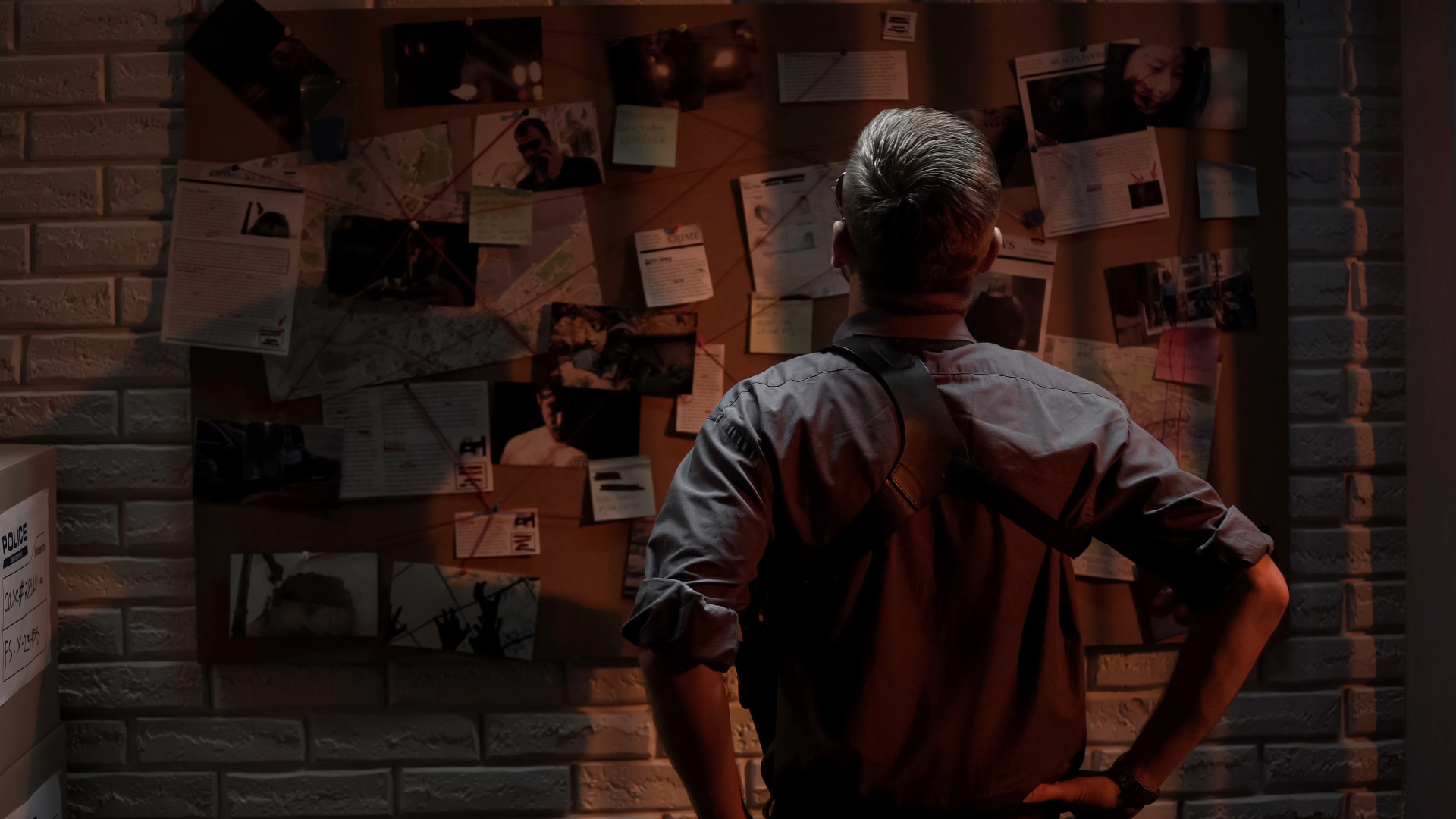
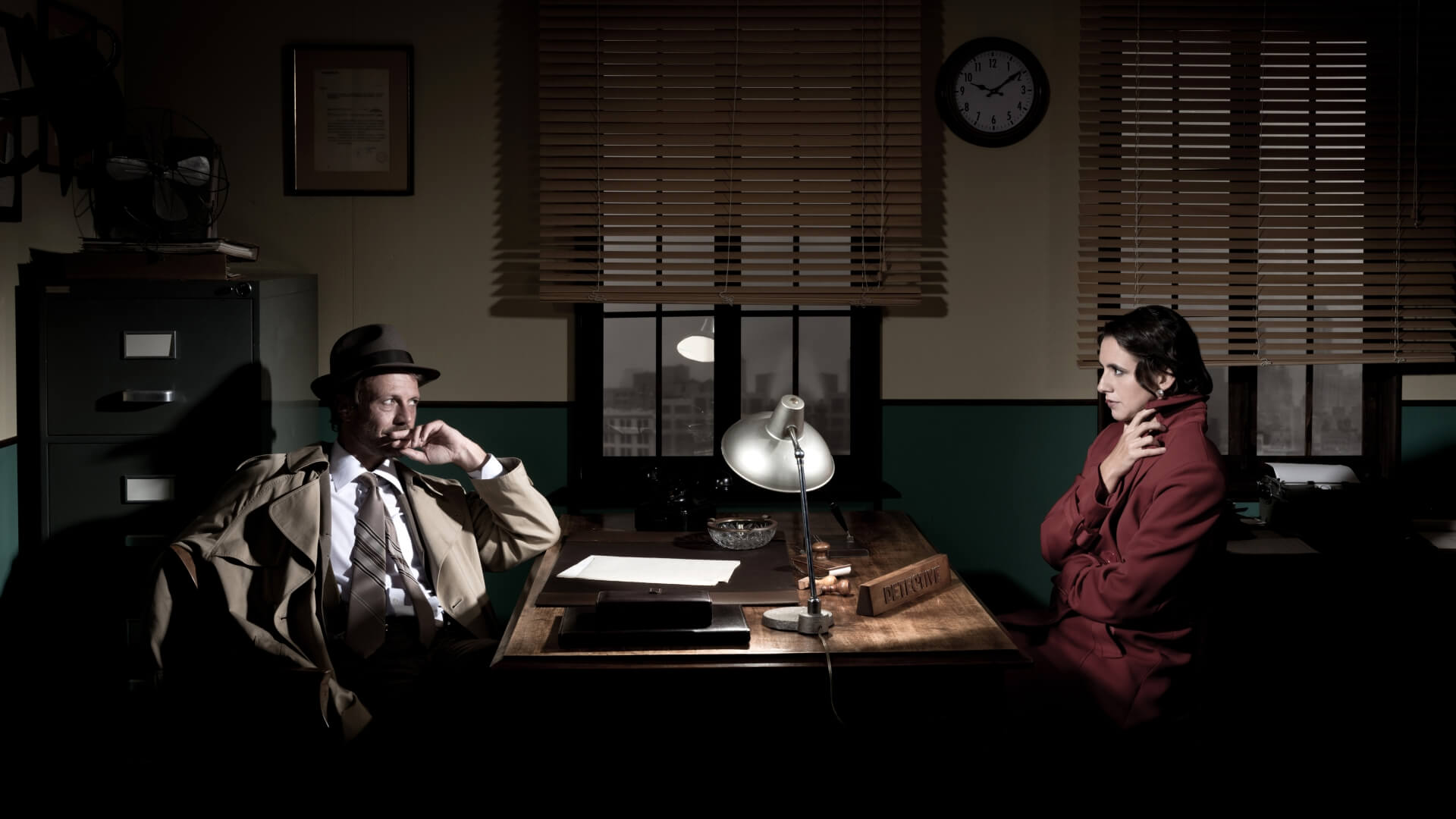
The most chilling thrillers are rarely built entirely out of thin air. They are rooted in the eerie, unpredictable nature of real human behavior. When an author crafts a compelling antagonist or a deeply flawed suspect, the foundation often comes from true crime cases, police interrogation logs, and psychological case studies. Reality continuously proves that human motivation—jealousy, desperation, ambition, and obsession—is far stranger and more terrifying than anything born purely from imagination.
The Power of Grounded Realism
In classic crime fiction, villains were often portrayed as larger-than-life masterminds operating with cinematic flair. However, modern dark fiction thrives on grounded realism. A terrifying suspect isn’t necessarily a criminal mastermind operating from a hidden lair; they are often the quiet neighbor, the respected professional, or the trusted family friend.
By analyzing real-life criminal interrogations, writers learn how actual suspects react under pressure:
- Deflection over dramatic confession: Real suspects rarely break down and deliver a dramatic speech. They minimize, rationalize, or shift blame.
- Flawed logic: People driven by extreme emotions act on erratic, contradictory logic that makes them unpredictable.
- Subtle behavioral shifts: Micro-expressions, slight changes in vocal tone, and evasive body language provide richer tension than overt threats.
Mirroring True Motives Without Copying History
Translating real-life inspiration into fiction isn’t about re-telling a specific news story word-for-word. Instead, it involves isolating the core emotional engine behind a real event and transplanting it into an original scenario.
For example, a real case centered around corporate fraud and betrayal can be transformed into a psychological suspense story about family inheritances and buried secrets. The objective is to take the authentic psychological mechanism—such as the gradual normalization of corrupt behavior—and build a fresh, high-stakes narrative around it.
Crafting Suspects Readers Can’t Look Away From
To make a fictional suspect resonate, they must feel three-dimensional. Even in dark fiction, a suspect shouldn’t feel like a caricature of evil. They need clear desires, specific vulnerabilities, and a personal justification for their actions. When readers recognize bits of human truth in a dark character, the suspense becomes personal—and far more disturbing.